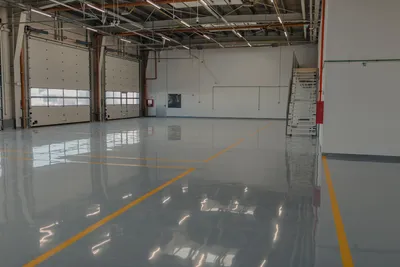
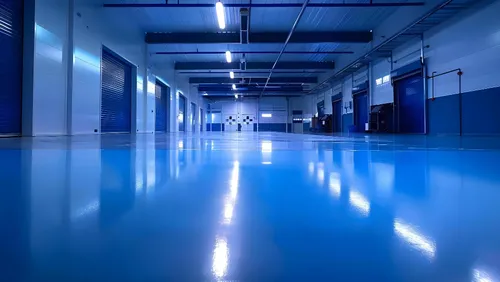
Industrial Epoxy Flooring in Spotsylvania County, VA
Spotsylvania's industrial and light-manufacturing footprint runs along the I-95 corridor near Massaponax, with additional service businesses, auto shops, and rural workshops scattered across larger parcels off Route 208, Route 606, and the county's secondary roads. These are not retail floors. They take forklift traffic, chemical spills, heavy equipment, and daily abuse that standard epoxy systems are not rated for.
Why choose us for industrial flooring in Spotsylvania
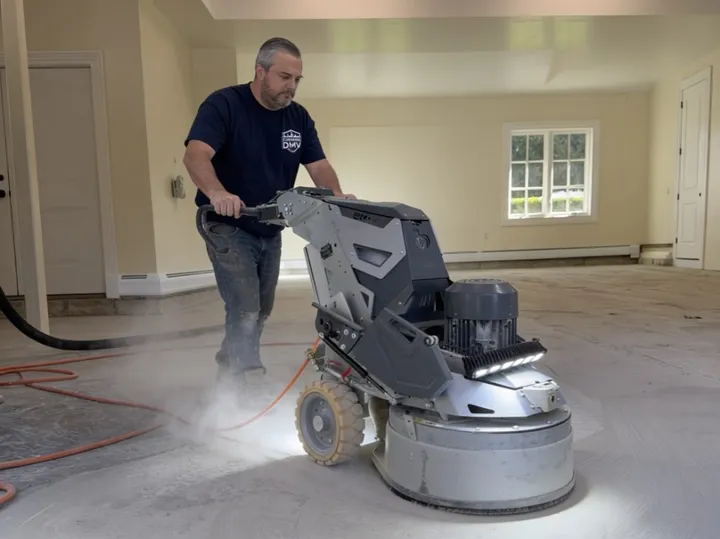
Industrial floors in Spotsylvania range from light-manufacturing bays near I-95 to auto shops and agricultural outbuildings on rural parcels. What they share is contamination that residential prep methods cannot handle: oil-saturated concrete in vehicle bays, chemical residue in service areas, and ground-in debris on workshop slabs that have never been professionally prepared. We grind to the depth the contamination requires, test for residual moisture and chemical incompatibility, and spec a system rated for how that floor is actually used.
We phase industrial installs so operations keep moving. A shop with four bays does not shut down for three days while we coat: we section the floor, maintain traffic through active areas, and sequence cure zones so the slab is back under load as quickly as the system allows. Written scope, material spec sheets, and cure documentation are standard on every industrial job.
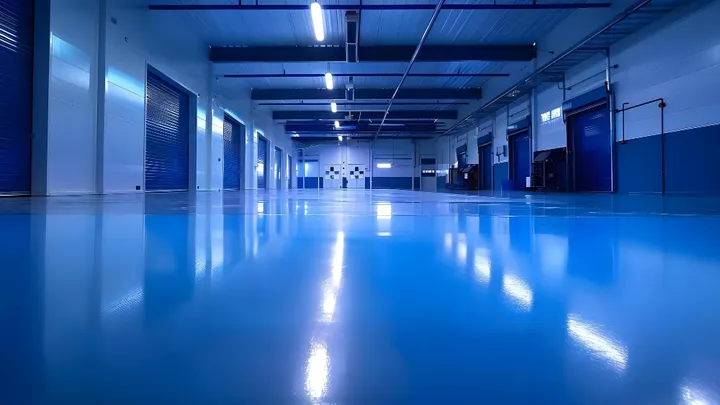
How we handle industrial flooring in Spotsylvania
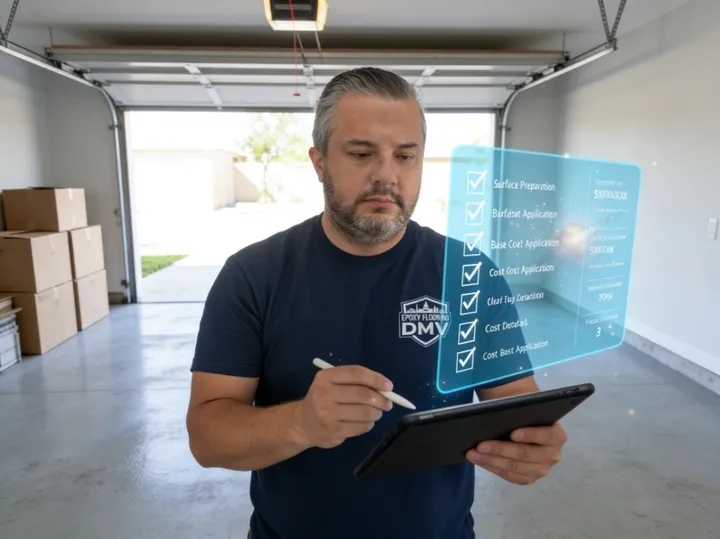
Industrial flooring services in Spotsylvania
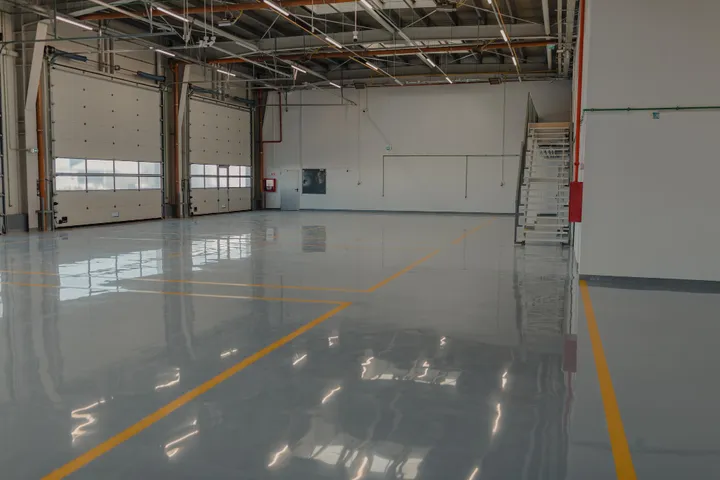
Vehicle service bays, light-manufacturing floors, warehouse slabs, and rural workshop concrete across Spotsylvania County. We spec systems rated for actual load, chemical exposure, and operational reality, not residential-grade materials dressed up as industrial.
Browse all industrial services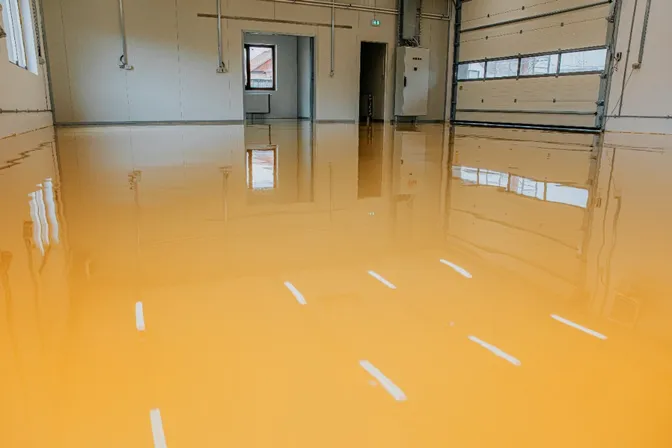
Warehouse
Epoxy flooring for warehouses. Forklift-resistant, chemical-resistant, and built for heavy use.
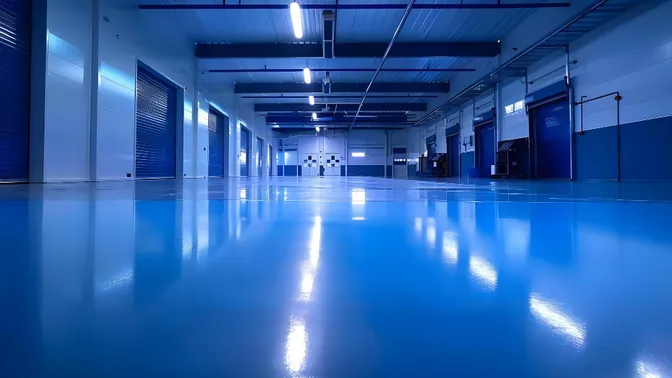
Factory
Epoxy for factories and manufacturing. Chemical and impact resistant, durable under heavy equipment.
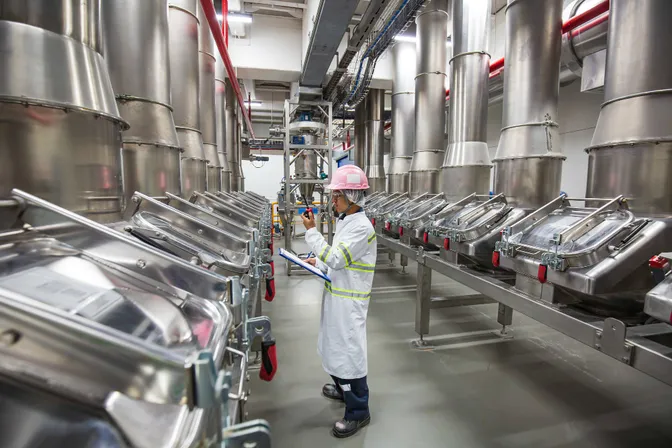
Food Processing
Food-grade epoxy for processing facilities. FDA-compliant, slip-resistant, easy to clean.
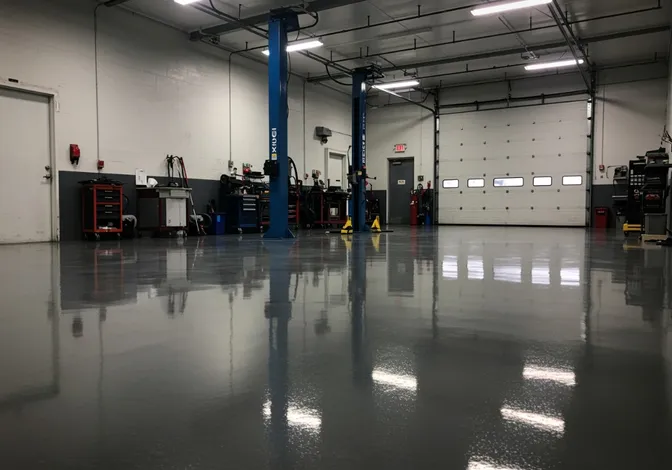
Auto & Mechanical Shop
Epoxy for auto shops and mechanical shops. Oil and chemical resistant, durable under lifts and equipment.
What you get
Key Benefits
- Industrial degreasing and shot-blast prep for oil-contaminated bays
- Epoxy mortar and urethane cement systems rated for forklift traffic
- Chemical-resistant topcoats selected for your specific agents
- Phased installation that keeps your operation moving
- Written material spec and cure documentation on every job
Ideal For
Auto shops, fleet service businesses, light-manufacturing operators, warehouse tenants, and rural workshop owners across Spotsylvania County who need a floor system that handles real industrial load: forklifts, chemicals, heavy equipment, and daily vehicle traffic.
What to Expect
On-site assessment and contamination testing before any quote. Phased install to keep operations running. Full cure confirmation before returning sections to load. Written spec and maintenance documentation at handoff.
Industrial Floor Coating Options
Epoxy mortar, urethane cement, polished concrete, and high-build epoxy. We select the system that fits your warehouse, factory, or food processing floor for heavy traffic and chemical resistance.
View all coating options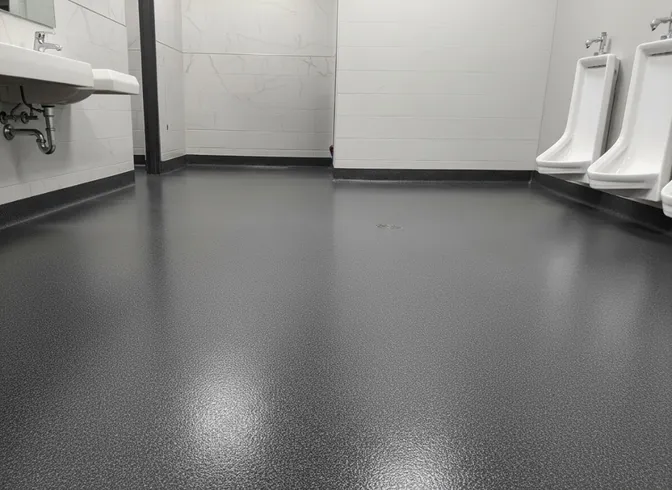
Urethane Cement
Handles thermal shock and chemical exposure for Massaponax restaurant kitchens and food-service suites.
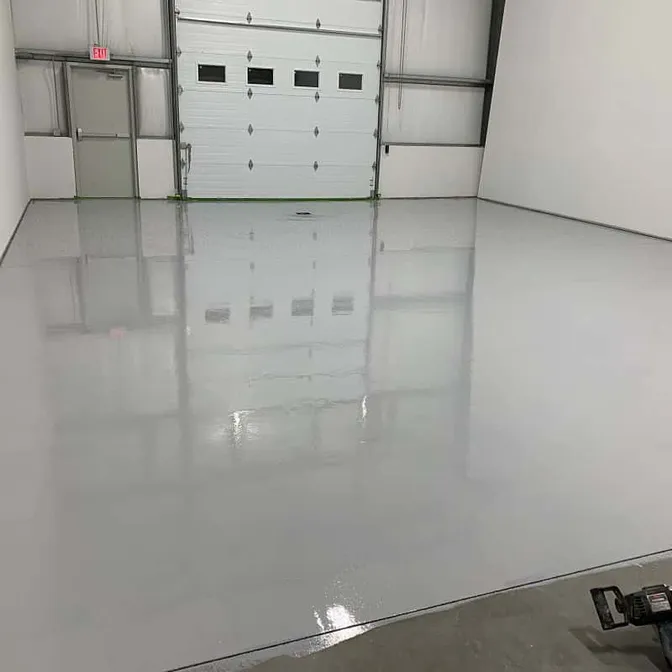
Epoxy Mortar
Heavy build for workshops, machine shops, and agricultural outbuildings on rural Spotsylvania parcels.
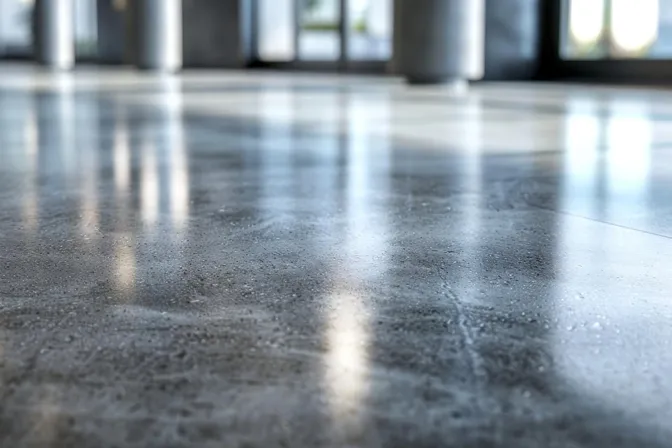
Polished Concrete
Clean, low-maintenance finish for medical and professional offices on Courthouse Road.
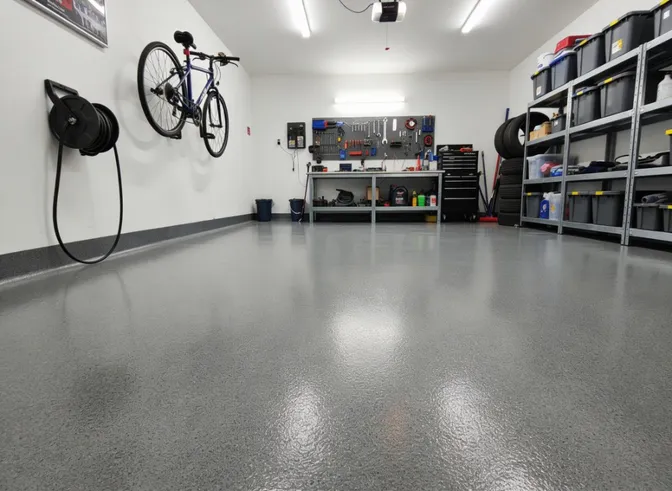
Color Quartz
Slip-resistant and durable. Common on pool decks and outdoor areas in Fawn Lake and Spring Creek.
Workmanship Warranty Included
We stand behind every installation with a written warranty. Quality materials, proper prep, and expert application mean your floor is built to last.
Frequently Asked Questions
Can you coat a concrete floor that has years of oil soaked into it?
Yes, but it requires more prep than a clean slab. We apply industrial degreaser, allow dwell time, and then shot-blast or diamond-grind to remove the contaminated surface layer. After prep, we test bond strength to confirm the primer will adhere. Trying to coat over oil-saturated concrete without this prep is one of the most common reasons industrial floor coatings fail.
What is the difference between epoxy mortar and standard epoxy for a forklift bay?
Standard epoxy topcoats are typically 10 to 20 mils thick and rated for foot traffic and light rolling loads. Epoxy mortar is 3 to 6 millimeters thick, uses aggregate fill for structural build, and is rated for sustained forklift and pallet-jack traffic. For any bay that takes hard-rubber or solid tires daily, epoxy mortar or urethane cement is the correct spec.
How do you handle an older workshop slab with serious cracking and low spots?
We assess crack depth and settlement pattern first. Surface-level shrinkage cracks get flexible polyurea filler. Structural cracks with differential movement may need epoxy injection or mechanical repair before coating. Low spots in the slab get self-leveling underlayment to bring the surface to tolerance before the main system goes down.
Can you phase the installation so we do not have to close the whole shop?
Yes. Phased installation is standard on most Spotsylvania industrial jobs. We divide the floor into sections based on your bay layout and operational priorities, coat and cure one section at a time, and maintain active access to the rest of the facility throughout. The total project takes longer, but your business keeps running.
What systems do you recommend for a floor that sees chemical spills?
It depends on the specific chemicals. Petroleum-based solvents and oils call for chemical-resistant epoxy or polyurethane topcoats. Acids and caustic cleaners typically require novolac epoxy or urethane cement, which have better resistance to pH extremes. We need to know what chemicals are present before specifying a system, because the wrong topcoat will fail regardless of prep quality.
Do you work on agricultural buildings and large detached workshops?
Yes. Rural Spotsylvania has a significant number of large-parcel outbuildings, pole barns with concrete floors, and agricultural storage buildings where owners want durable, easy-to-clean surfaces. These jobs often have non-standard slab conditions and access constraints that require a site visit before quoting. We handle those assessments as part of our normal process.
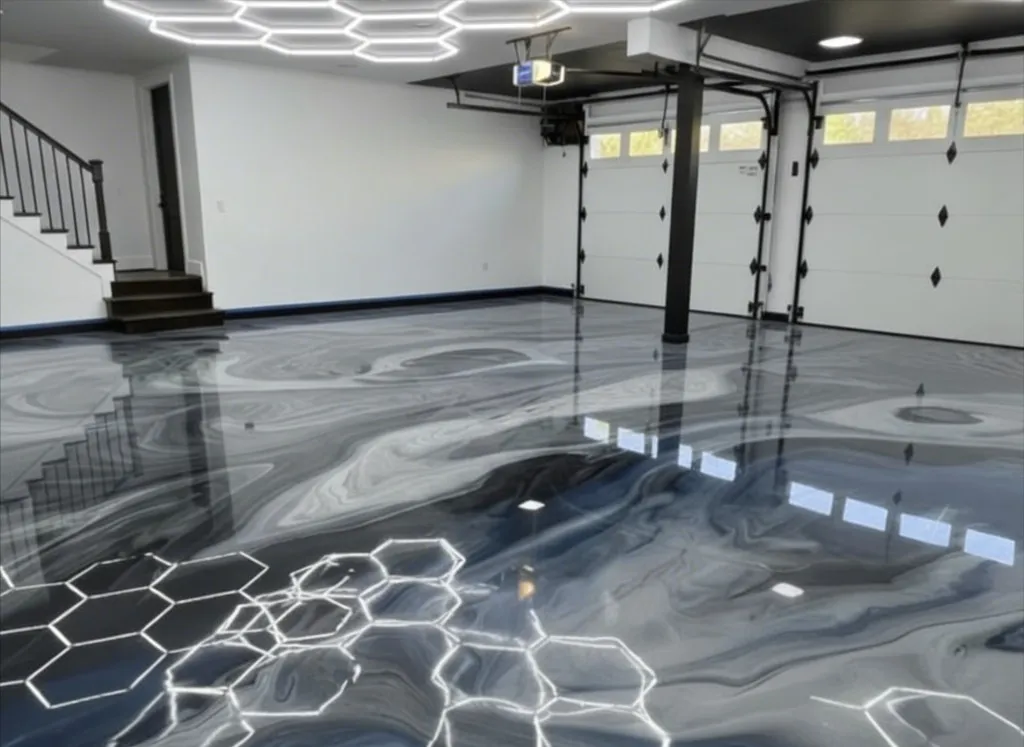
Need an industrial floor in Spotsylvania built for real load?
We assess the slab, test for contamination and moisture, and spec a system rated for how your facility actually operates. Phased installs available so your operation does not stop.
Get a quote