Auto Service Bays, Contractor Yards, and Estate Maintenance Floors in the McLean and Chain Bridge Road Service Corridor
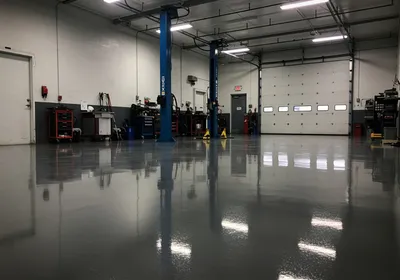
McLean does not have a warehouse district like the I-95 logistics belt in Prince William County. Its industrial floor work shows up differently: auto and specialty service bays along Chain Bridge Road, contractor equipment yards off Lewinsville, and maintenance buildings on large residential estates where hydraulic fluid, pressure-washing, and daily vehicle traffic matter more than showroom gloss. These slabs often carry years of petroleum absorption, lift-pocket edge damage, or washdown exposure that a residential flake system cannot survive.
Why McLean service operators spec industrial chemistry instead of garage kits
Industrial floors in the McLean market tend to be smaller-footprint but higher-exposure environments. An auto service bay on Chain Bridge Road may be 2,500 square feet with in-ground lift pockets, drive lanes saturated with engine oil, and a business that cannot close for a week during peak season. A contractor yard off Lewinsville may combine clean equipment storage with a washdown zone where water, degreaser, and hydraulic drip hit the same slab daily. An estate maintenance building near Georgetown Pike may need urethane cement in the wash bay and standard build in dry storage, all in one structure.
We walk each facility before writing a scope. We map chemical exposure by zone, test petroleum contamination depth in service bays, assess joint and spall condition around lifts and trench edges, and discuss operating hours before recommending build thickness or topcoat chemistry. You receive a zone-by-zone written scope naming prep method, primer type, mortar build where required, and phased return-to-service timing. McLean industrial work fails when someone applies one product across a floor with three different exposure profiles.
How we phase industrial floor work across McLean service facilities

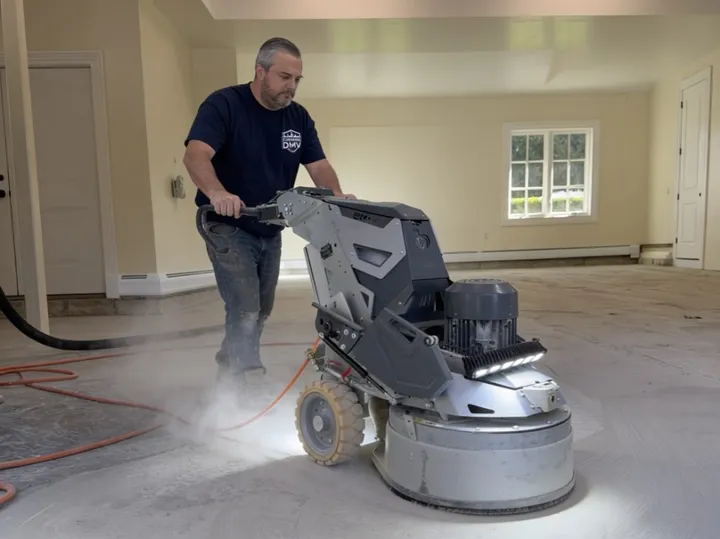
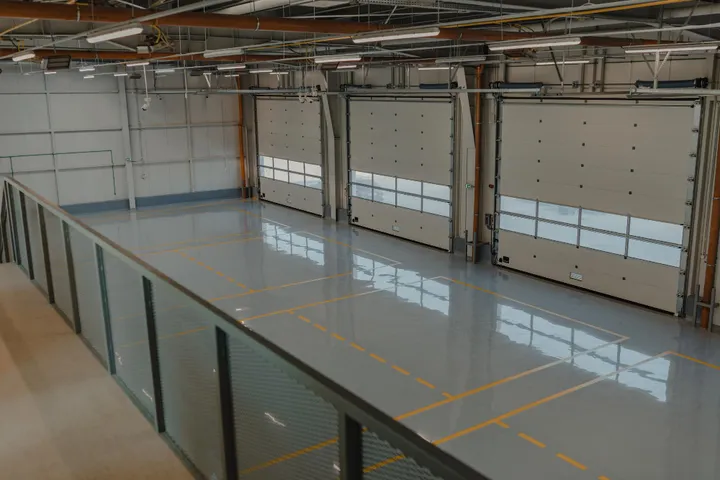
Industrial floor systems for McLean service environments
From petroleum-degreased auto bays on Chain Bridge Road to washdown-rated estate maintenance floors and phased contractor yard installs off Lewinsville, we build for chemical exposure and traffic load, not brochure aesthetics.
Browse all industrial services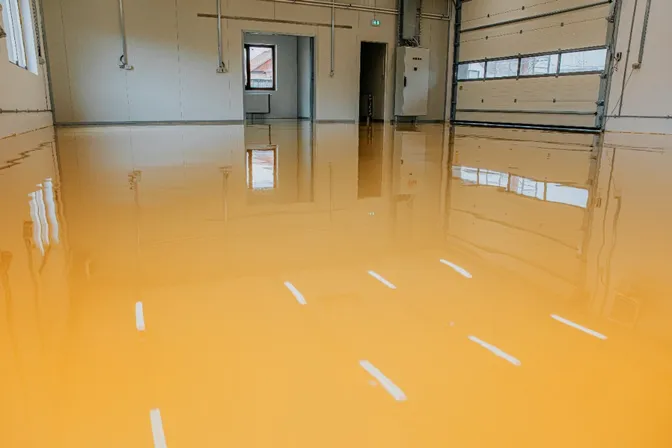
Warehouse
Epoxy flooring for warehouses. Forklift-resistant, chemical-resistant, and built for heavy use.
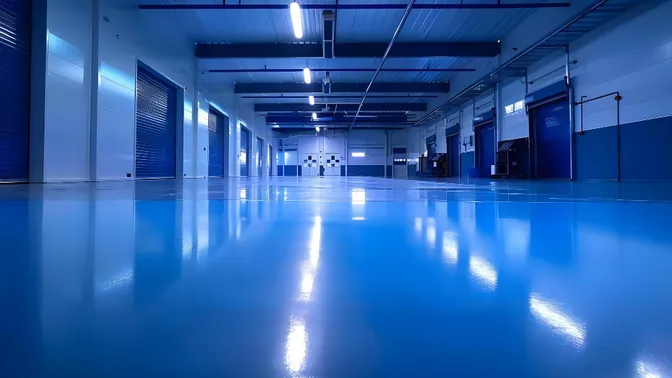
Factory
Epoxy for factories and manufacturing. Chemical and impact resistant, durable under heavy equipment.
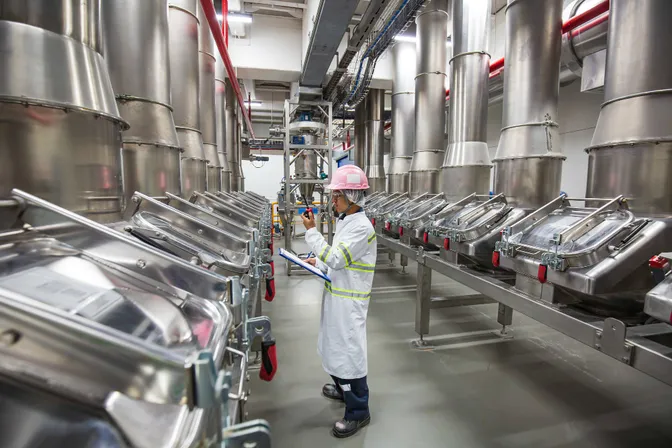
Food Processing
Food-grade epoxy for processing facilities. FDA-compliant, slip-resistant, easy to clean.
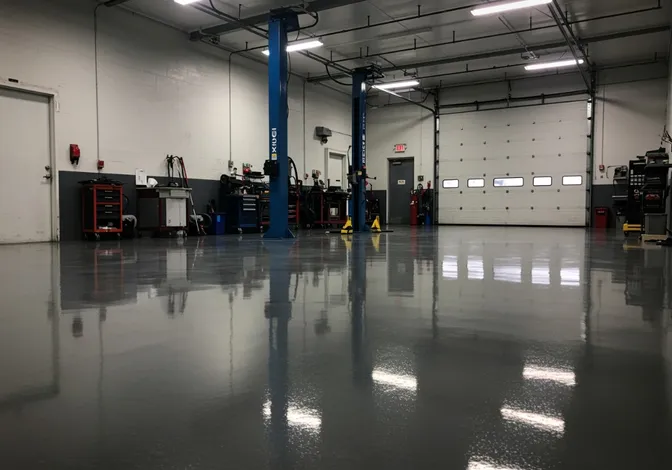
Auto & Mechanical Shop
Epoxy for auto shops and mechanical shops. Oil and chemical resistant, durable under lifts and equipment.
What every McLean industrial job includes
Key Benefits
- Zone-by-zone facility mapping before any quote or mobilization
- Petroleum degreasing and adhesion testing in auto service environments
- Epoxy mortar build at lift pockets, trenches, and heavy drive lanes
- Urethane cement systems for washdown and chemically aggressive zones
- Phased bay-by-bay installs that keep Chain Bridge Road businesses operating
- Written maintenance protocols for high-wear lanes and lift pocket edges
Ideal For
Auto and specialty service bays along Chain Bridge Road, contractor equipment yards off Lewinsville, and estate maintenance and washdown buildings on Georgetown Pike and Old Dominion Drive properties that need floors built for petroleum, hydraulic fluid, or daily wet cleaning.
What to Expect
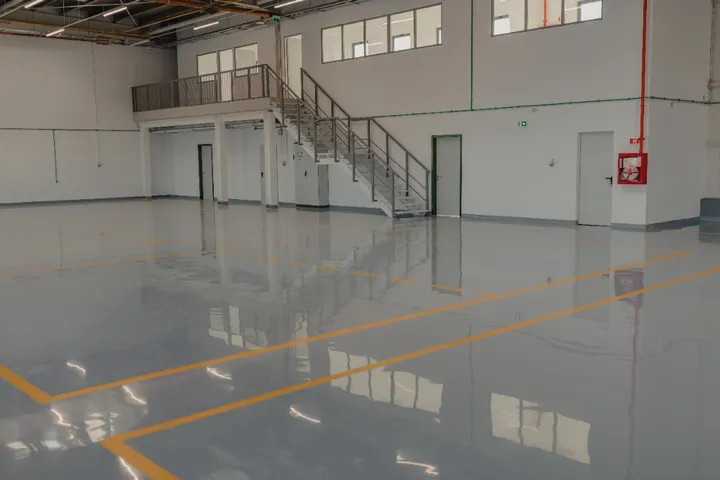
We walk the facility and write a zone scope before booking. Most McLean service bays from 200 to 500 square meters complete in a phased sequence over three to five field days without requiring a full shutdown. Return-to-service timing is confirmed per zone in writing.
Industrial Floor Coating Options
Epoxy mortar, urethane cement, polished concrete, and high-build epoxy. We select the system that fits your warehouse, factory, or food processing floor for heavy traffic and chemical resistance.
View all coating options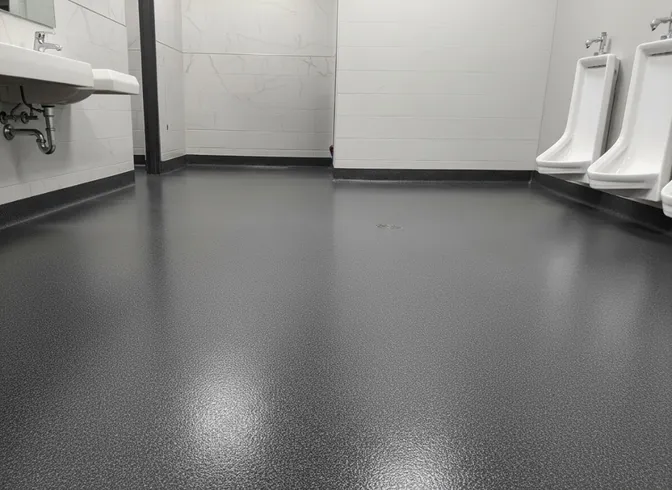
Urethane Cement
Handles thermal cycling and aggressive cleaning in restaurant prep areas along Chain Bridge Road and washdown zones in service environments.
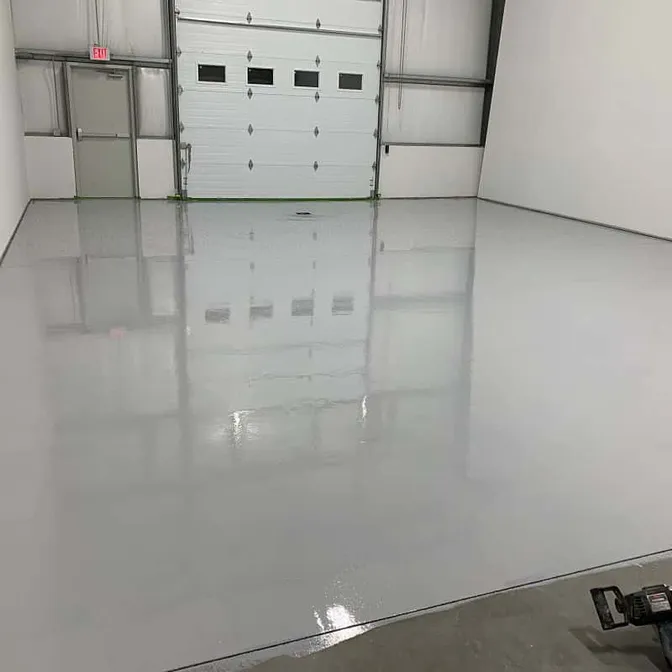
Epoxy Mortar
Build thickness for auto service bays, lift pockets, and contractor yards along the Chain Bridge Road corridor where point loads and impact are daily reality.

Polished Concrete
Strong fit for Chain Bridge Road professional suites, medical reception areas, and retail tenants where a quiet, low-maintenance surface suits a client-facing environment.
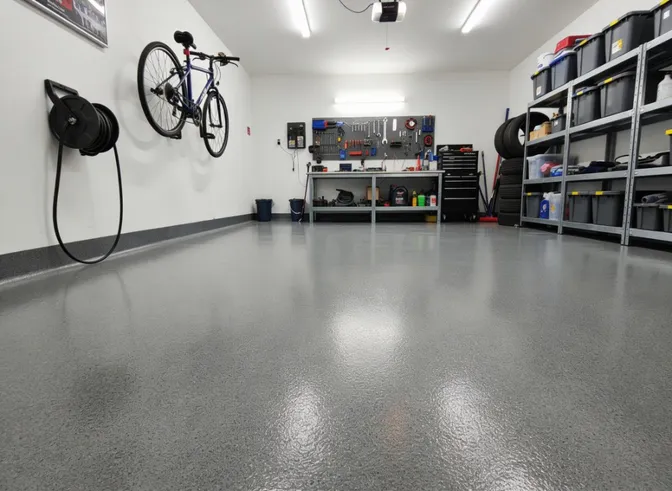
Color Quartz
Slip-resistant and chemical-tolerant for pool decks, cabana floors, and exterior concrete on wooded McLean lots where wet conditions and freeze-thaw exposure are normal.
Workmanship Warranty Included
We stand behind every installation with a written warranty. Quality materials, proper prep, and expert application mean your floor is built to last.
Frequently Asked Questions
Our Chain Bridge Road auto bay concrete is oil-stained after twenty years. Can it still be coated?
Usually yes, after proper degreasing and mechanical profiling. Petroleum that has soaked into McLean service slabs needs targeted chemical treatment and diamond grinding to open clean concrete beneath the contamination layer. We adhesion-test before primer goes down. If contamination depth exceeds what grinding can reach in a section, we identify that area in the scope rather than coating over it.
Can you coat in-ground lift pockets without shutting every bay for a week?
Yes. We phase work bay by bay, treating lift pockets and surrounding drive lanes as distinct zones with their own prep and return-to-service schedule. Most McLean shops in the 2,000 to 5,000 square foot range can stay partially operational through a phased install. We commit to per-bay return times in writing before mobilization.
Do you install floors in estate maintenance buildings with wash bays?
Yes. Wash bays on large McLean estates need urethane cement or similarly rated systems that tolerate daily hosing, degreaser contact, and thermal cycling. Dry storage areas in the same building often receive a different build. We map zones separately and integrate transitions so there are no uncoated gaps that collect contamination.
What build thickness do lift pocket edges need?
Lift pockets and heavy drive lanes typically need epoxy mortar build at three to six times the thickness of a standard decorative system, depending on traffic and edge impact. We assess each pocket and lane during the facility walk and specify build in the written scope rather than applying one thickness across the floor.
Can you work in an unheated estate outbuilding through winter?
We schedule installs during temperature and humidity windows that match the cure requirements of the specified system. Unconditioned McLean outbuildings may need spring or fall mobilization for certain chemistries, or heated enclosure during cure when schedule demands winter work. We tell you the viable install window before booking, not after product fails to cure.
How long does an industrial floor last in a working auto bay?
Correctly specified industrial systems in active service bays typically last ten to twenty years with routine maintenance. High-wear zones like drive lanes and lift pocket edges may need topcoat refresh sooner, which can be done without removing the mortar build underneath. We provide a maintenance protocol covering cleaning, spill response, and re-coat timing at handoff.

Need an industrial floor scope for your McLean service facility?
We will walk your bays or yard, map exposure by zone, and deliver a written scope with chemistry, build thickness, and a phased schedule that keeps your operation running.
Get a quote