Auto Shop, Equestrian Facility, and Heavy-Use Floor Coatings in the Clifton and Centreville Road Corridor
The industrial floor work in the Clifton area is not a warehouse district or a manufacturing park. It is auto and diesel shops along the Route 29 and Centreville Road corridor, equestrian facility maintenance buildings and indoor arenas on estate properties, and contractor operation buildings serving the western Fairfax County market. Every one of those facilities has floor demands that residential or light commercial systems do not meet, and most of them have slabs with histories that require real assessment before any coating can be specified.
Why Clifton area operations choose us for industrial floors
Industrial floors near Clifton deal with a specific combination of challenges: petroleum contamination in automotive work environments that has had years to penetrate; organic acid and ammonia exposure in equestrian facilities that destroys standard coating chemistry from the underside; unconditioned or partially heated buildings that cycle through Virginia's full temperature range and put real stress on systems with inadequate flexibility ratings. These are not problems that reveal themselves in a photo or a quote over the phone.
We walk every industrial facility before writing a scope. We map chemical exposure zones, look at joint and spall condition, assess contamination depth in auto shop areas, and discuss the operating schedule before we recommend a system. You get a zone-by-zone scope that names the prep method, primer chemistry, build thickness, and topcoat spec for each area, along with a phased install plan that keeps your operation running while we work. We do not apply one formula across a facility that has three different exposure environments.
How we approach industrial jobs in the Clifton area

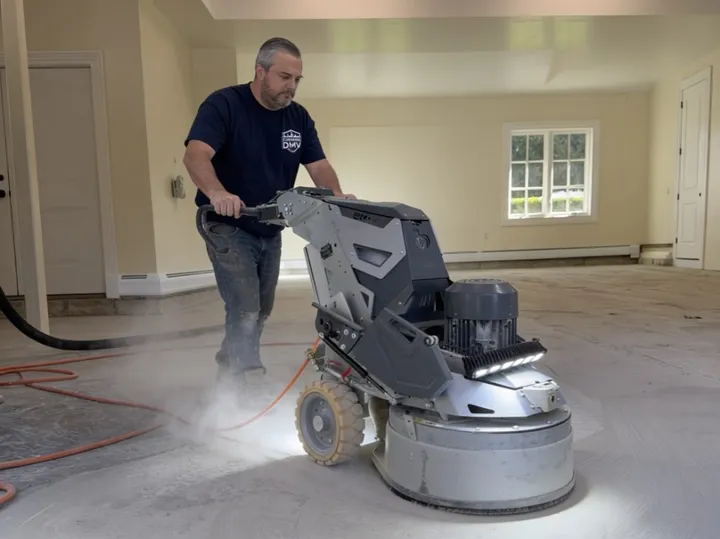
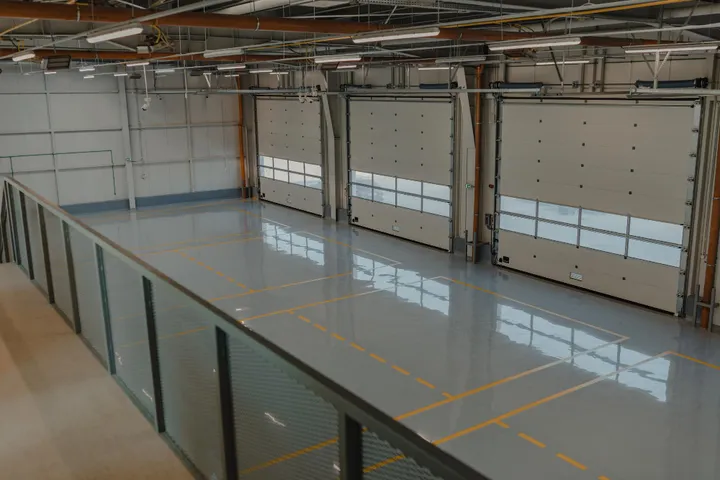
Industrial floor systems we install near Clifton
Auto shops, equestrian facilities, contractor operation buildings, and heavy-use floor environments in the Clifton and Centreville Road corridor need coating systems matched to what those floors actually handle. We spec from what we see, not from what a residential price list covers.
Browse all industrial services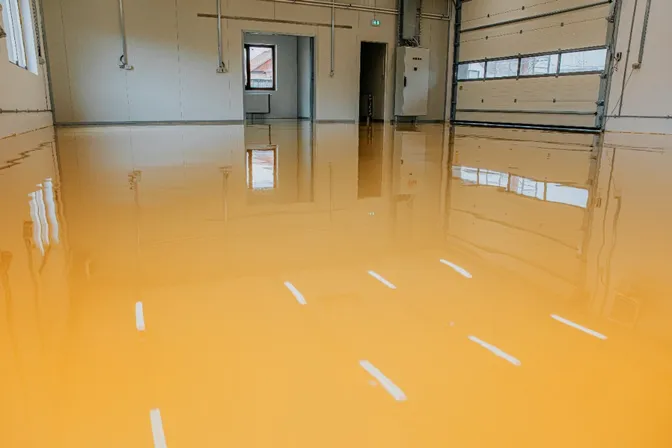
Warehouse
Epoxy flooring for warehouses. Forklift-resistant, chemical-resistant, and built for heavy use.
Factory
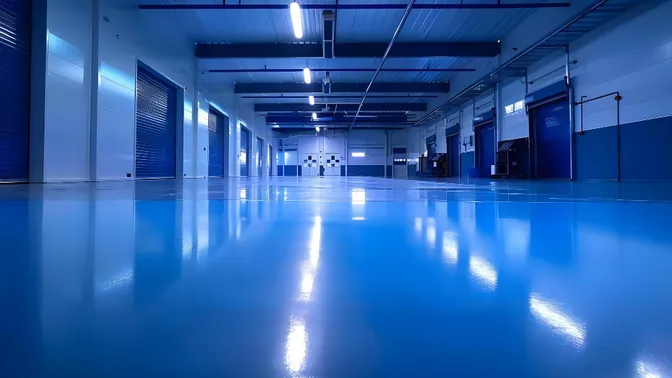
Epoxy for factories and manufacturing. Chemical and impact resistant, durable under heavy equipment.
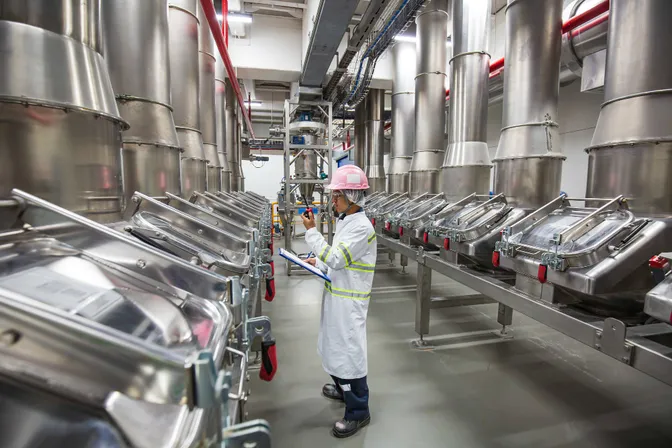
Food Processing
Food-grade epoxy for processing facilities. FDA-compliant, slip-resistant, easy to clean.
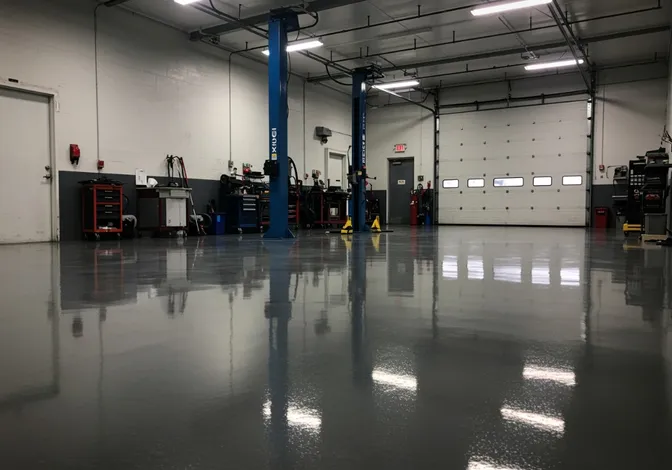
Auto & Mechanical Shop
Epoxy for auto shops and mechanical shops. Oil and chemical resistant, durable under lifts and equipment.
What every industrial job includes
Key Benefits
- Petroleum contamination assessment and degreasing before primer is applied
- Agricultural-grade and urethane cement systems for equestrian chemical exposure
- Epoxy mortar builds for auto shop lift areas and heavy equipment impact zones
- Thermal-cycling-rated systems for unconditioned equestrian and contractor buildings
- Zone-by-zone scope and phased install to keep operations running
- Below-grade pit and trench coating integrated with main floor system
Ideal For
Auto and diesel shops, equestrian facility operators, contractor operation buildings, and any heavy-use industrial floor environment in western Fairfax County that needs a coating system built for real chemical, thermal, and mechanical exposure rather than a residential or light commercial spec.
What to Expect
We walk your facility and deliver a detailed zone-by-zone scope before any work is scheduled. Install is phased around your operations when possible. Individual zones typically return to service within 48 to 72 hours of final topcoat, depending on system thickness, ambient temperature, and chemical exposure type.
Industrial Floor Coating Options
Epoxy mortar, urethane cement, polished concrete, and high-build epoxy. We select the system that fits your warehouse, factory, or food processing floor for heavy traffic and chemical resistance.
View all coating options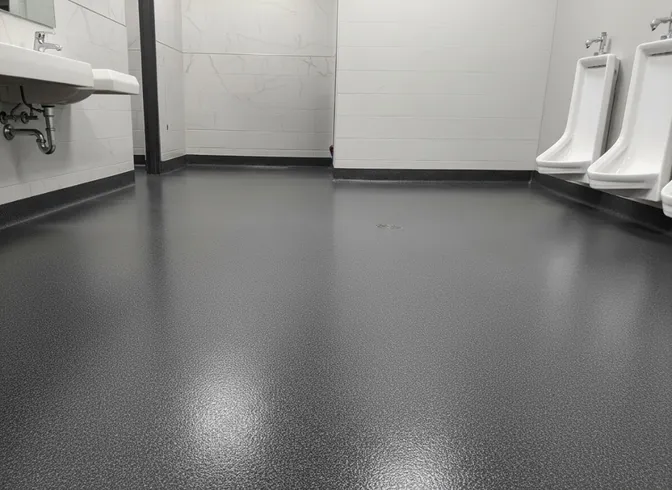
Urethane Cement
Handles organic acids, thermal cycling, and daily wet cleaning in equestrian facilities and any space with aggressive chemical or moisture exposure.
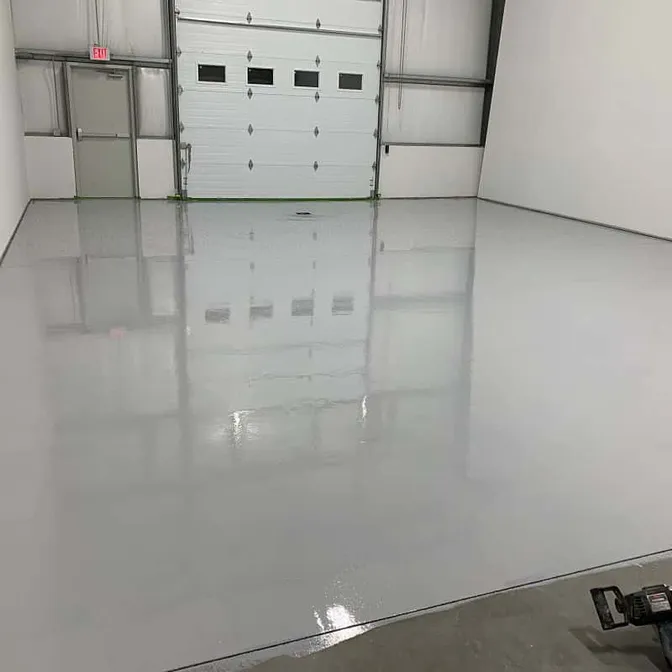
Epoxy Mortar
Maximum build thickness for Clifton auto shops and any floor taking heavy equipment impact, vehicle lifts, or loaded utility traffic.
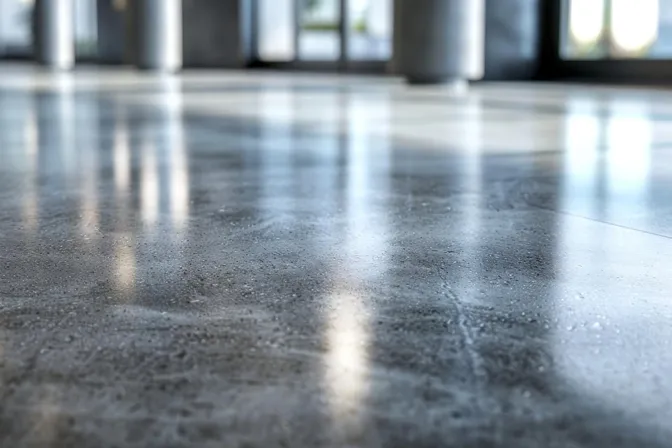
Polished Concrete
Low-maintenance solution for historic commercial interiors and newer residential spaces where a clean, contemporary look suits the architecture.
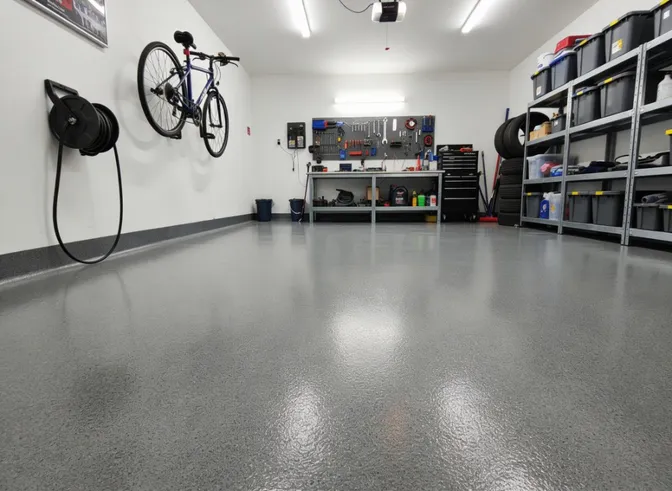
Color Quartz
Slip-resistant and chemical-tolerant. Used in equestrian wash bays, covered pool decks, and exterior applications where wet conditions are the norm.
Workmanship Warranty Included
We stand behind every installation with a written warranty. Quality materials, proper prep, and expert application mean your floor is built to last.
Frequently Asked Questions
Can you coat an auto shop floor that has years of oil contamination?
Yes, but contamination removal is the first step, not an afterthought. We apply targeted degreasing chemistry to the affected areas, diamond-grind to expose clean concrete beneath, and adhesion-test before any primer goes down. Severe contamination may require repeat degreasing cycles. We assess depth honestly and tell you what is needed before we quote the full job.
What system works for an equestrian wash bay or indoor arena floor?
Standard garage or commercial epoxy is not appropriate for equestrian environments. We use urethane cement or agricultural-grade primer systems formulated to resist ammonia and biological acid exposure, paired with non-porous topcoats that tolerate daily hosing without absorbing odor. We discuss drainage, slope, texture, and any livestock-safe requirements during the site visit.
Our shop building is not heated in winter. Does that affect what system we can use?
It affects both product selection and install timing. We choose systems with flexibility ratings appropriate to the temperature range the building sees, and we schedule installs during windows when ambient temperature and concrete surface temperature are within the product cure envelope. We will not apply a coating in conditions that will compromise the cure and then hand off a floor that fails in six months.
Do you coat in-ground lift pits or inspection trenches?
Yes. Pit walls and floors need to be assessed and coated separately from the surrounding slab, because the moisture dynamics and drainage conditions are different. We assess pit condition, apply appropriate waterproofing or primer to subsurface walls and floor, and integrate the pit coating with the main floor system to eliminate uncoated transitions that collect contamination.
Can you phase the install so our auto shop does not close for multiple days?
Yes. We divide the shop floor into zones and coordinate the sequence with your operating schedule so bays in use can continue while each section cures. We commit to zone return times in writing before the install starts. Most auto shops in the 2,000 to 5,000 square foot range can be completed in a phased sequence without requiring a full shutdown.
How long does an industrial floor coating last in a working auto shop or equestrian facility?
Correctly specified industrial systems last 10 to 20 years or more under normal operating conditions with routine maintenance. High-wear zones like vehicle drive lanes, lift pocket edges, or equestrian aisle entries may need topcoat refresh sooner, which can be done without removing the base build. We provide a maintenance protocol covering cleaning, spill response, and re-coat intervals when we hand off each completed zone.

Need an industrial floor quoted near Clifton?
Tell us what your floor handles: traffic type, chemical exposure, facility size, and operating schedule. We will walk the space and build a scope around what the job actually requires, not a number from a price sheet.
Get a quote